About Christopher Lee Moran
“Calm is earned. This is not a highlight reel. This is the path.”
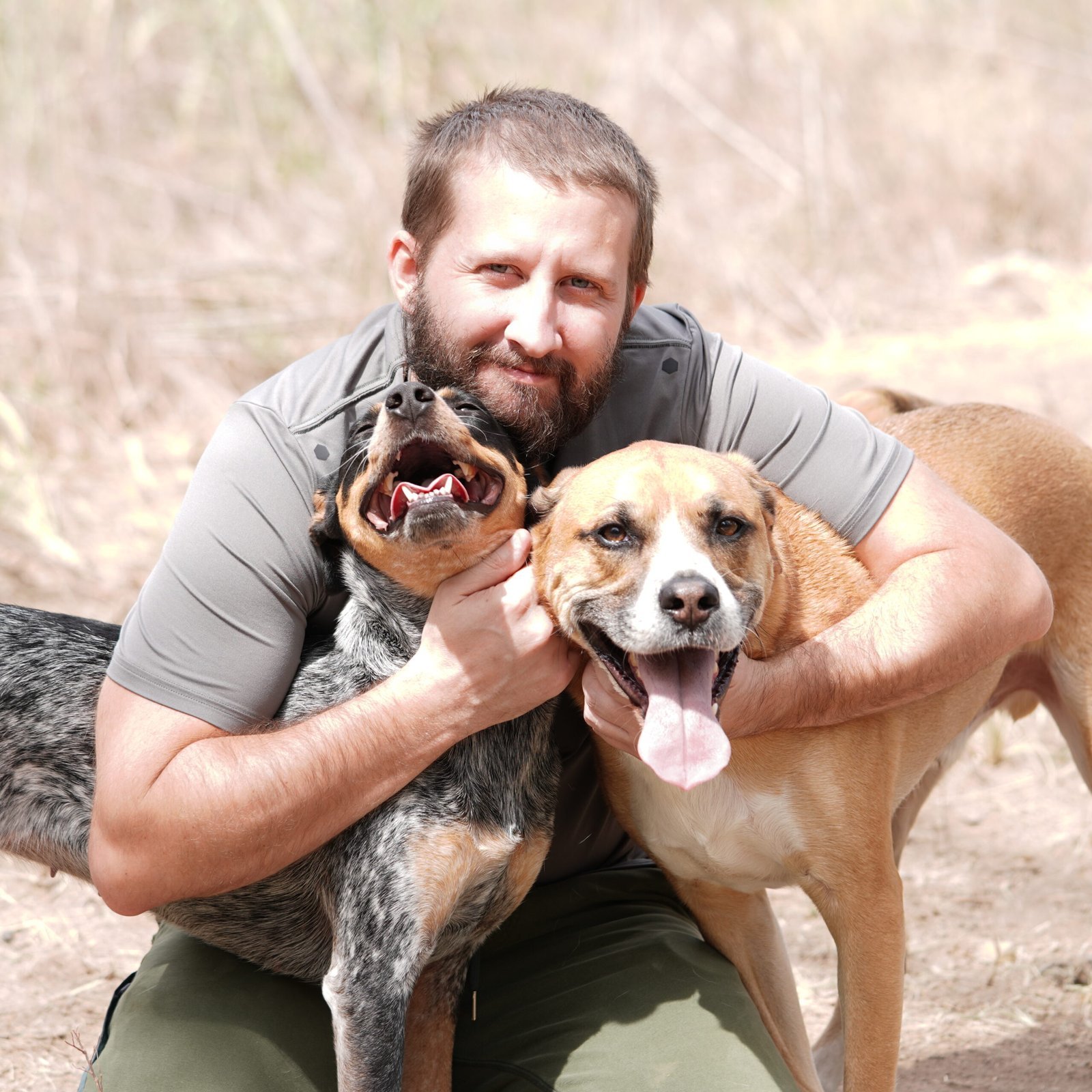
I did not start as a trainer
I did not plan on becoming a dog trainer. I started as a dog walker, handling dogs in real environments. Real neighborhoods. Real distractions. Real consequences.
Walking one dog is simple. Walking multiple dogs exposes everything. Leadership shows up fast. Anxiety spreads fast. Confidence, or lack of it, becomes obvious.
That was my first education. Not theory. Not certification. Reality.
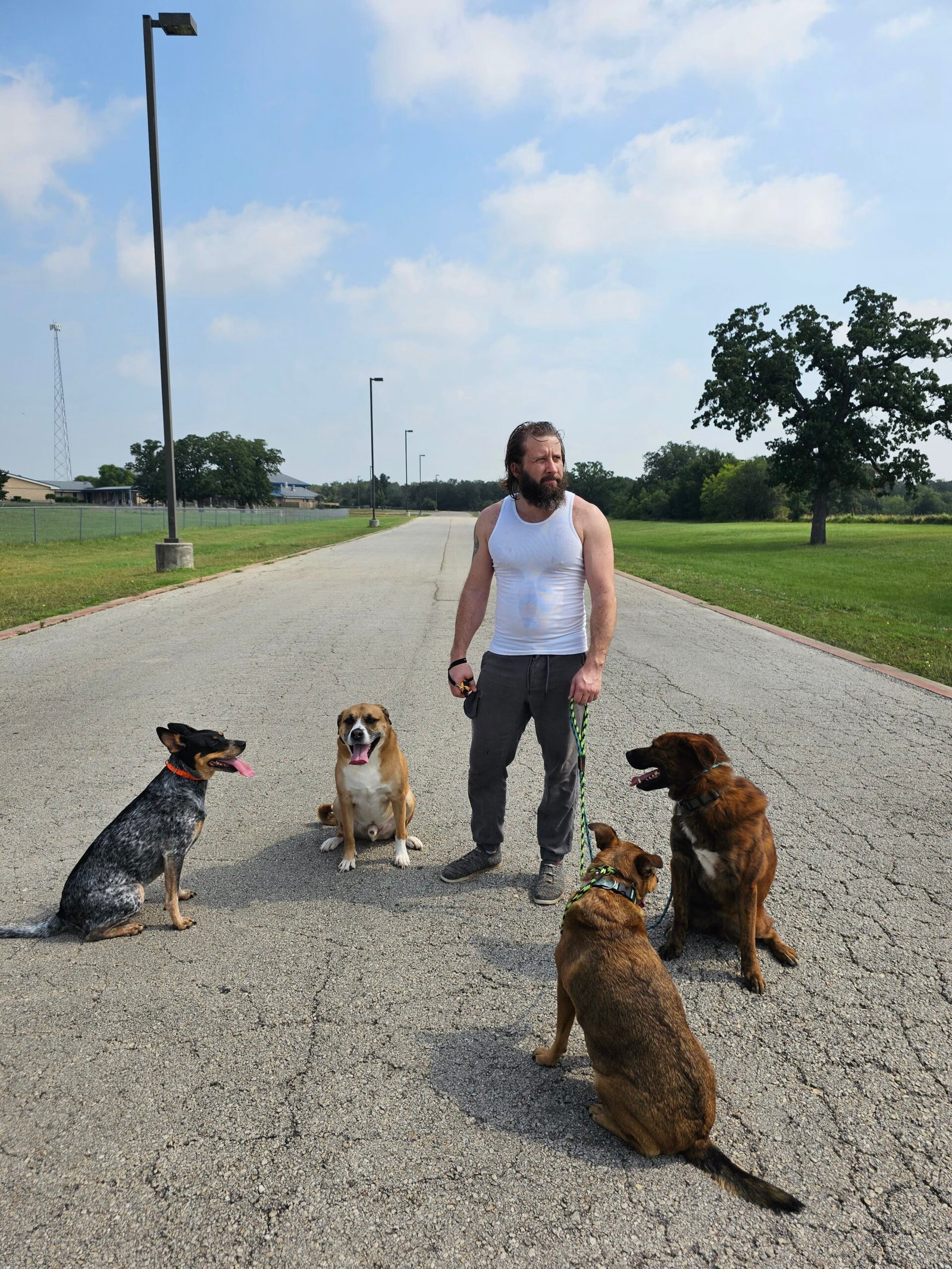
From walks to off-leash adventures
Eventually, basic walks stopped being enough. Dogs were still restless. Still wired. Still looking for an outlet.
So I started taking dogs on off-leash adventures. Trails. Distance. Nature. Places where instincts turn on and structure actually matters.
You cannot fake control off leash. Dogs either trust you or they do not. That is where relationship replaces obedience, and behavior starts changing without force.
When the work shifted to owners
People noticed the change. Dogs came back calmer. More social. More satisfied. Then the questions started.
How did you get my dog to act like this? Why does my dog listen to you? Why is my dog different after being with you?
That is when I began working with owners, not just dogs. Teaching structure, timing, and clarity. Not gimmicks. Not fantasy. Real communication.
This work grew into formal training services under Instinctual Balance and earned five-star ratings on Yelp and Google, because dogs actually changed and owners felt it.
Precision creates change
I believe in quick change when corrections and communication are precise. I have seen dogs change in a single session. It can be like a chiropractic adjustment. One clear moment of alignment.
That does not mean the work is done. It means the direction is right. If a trainer cannot demonstrate visible change in front of you during a session, that matters.
Energy does not disappear. It gets redirected. That is why temporary behaviors can surface during change. We are sculpting energy, not pretending it vanishes.
The day I stopped romanticizing dogs
There was a moment in my career that permanently changed how I work with dogs.
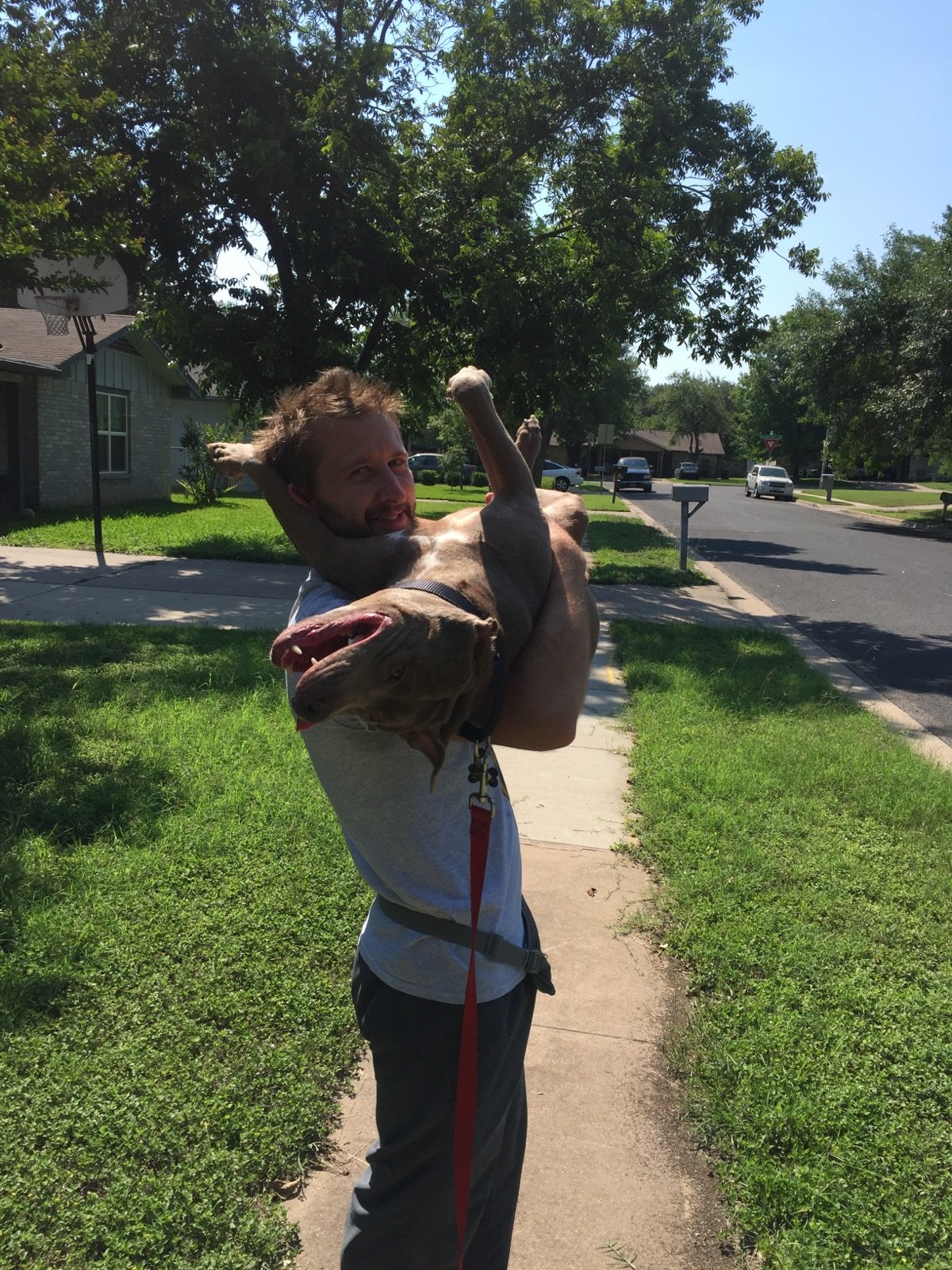
During a group play session, a pit mix named Max attacked another dog named Pooty. Up until that moment, Max had gotten along with other dogs. There were no obvious warning signs that screamed what was about to happen. When it happened, it happened fast.
I intervened immediately and minimized the damage, but Max still got his teeth into Pooty, causing damage. I took Pooty straight to the vet, and he made it through it.
The experience was traumatic for me. Not because I was careless, but because I was honest enough to admit something afterward. In hindsight, I should have seen it. I did not at the time.
That day forced me to confront a truth many people avoid. Dogs are not blank slates. Genetics matter. Instinct matters. Some dogs are meant to be social. Some are not, and pretending otherwise puts dogs and people at risk.
The mistake is not acknowledging reality. The mistake is wishing a dog was something it is not.
That incident reshaped how I evaluate dogs, structure play, and approach safety. Some dogs need outlets. Some need management. Some need distance from other dogs entirely. That is not failure. That is responsibility. (The names have been changed to protect the innocent and the guilty.)
Jax and Artemis
Two dogs reshaped how I see all of them. Jax came to me wired and falling apart at home, labeled aggressive by trainers who turned his owner away. He was not aggressive. He was overwhelmed and under-fulfilled. Artemis came from a rescue so fearful that handlers used tongs to clean her crate. One needed structure for his energy. One needed trust. Both got it.
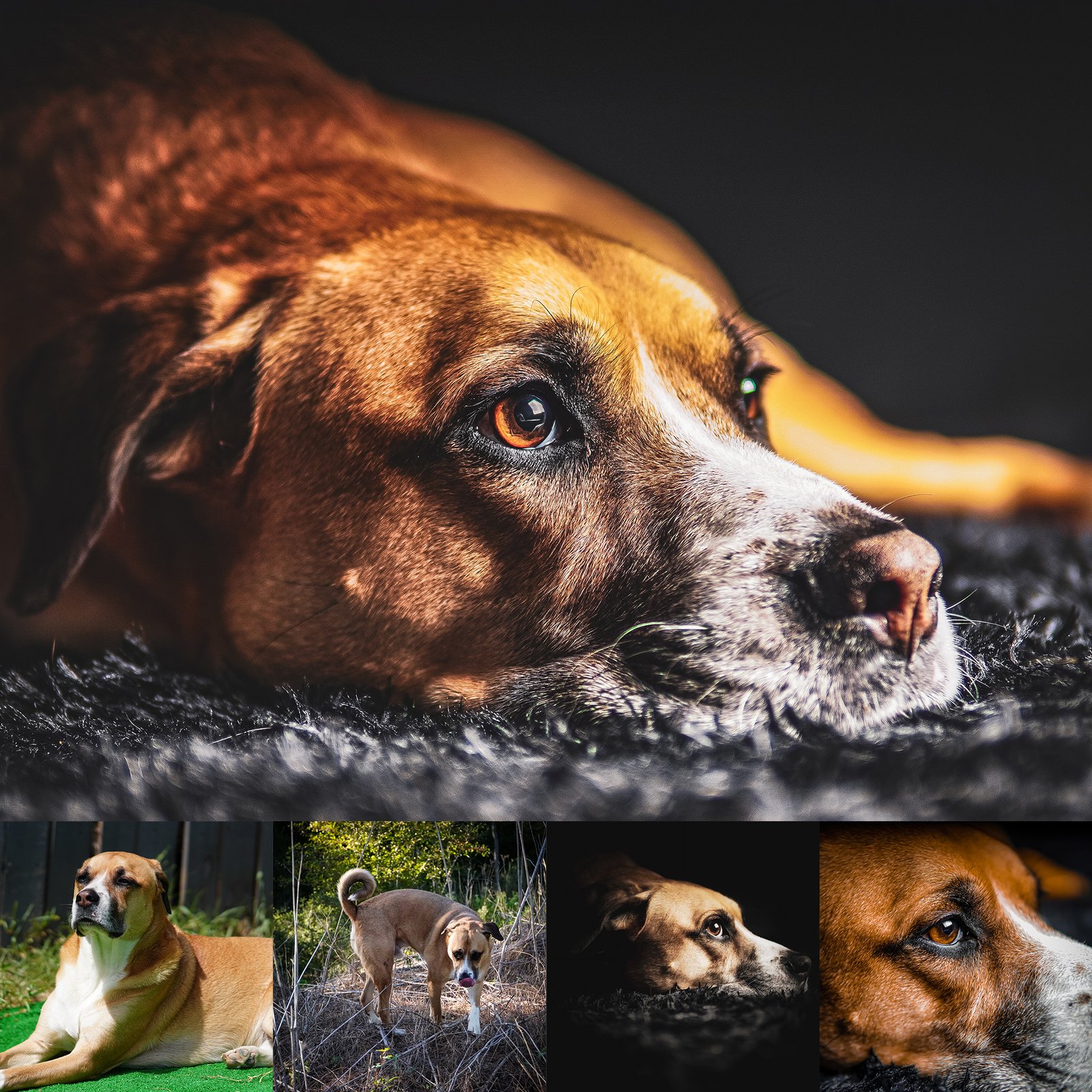
Endless energy, smart, driven. Around COVID I took him in. Once his needs were met and his energy had structure, the chaos stopped. Jax is honest: treats rank higher than loyalty. Offered a snack by a stranger, he would betray me without hesitation. No shame. Pure truth.
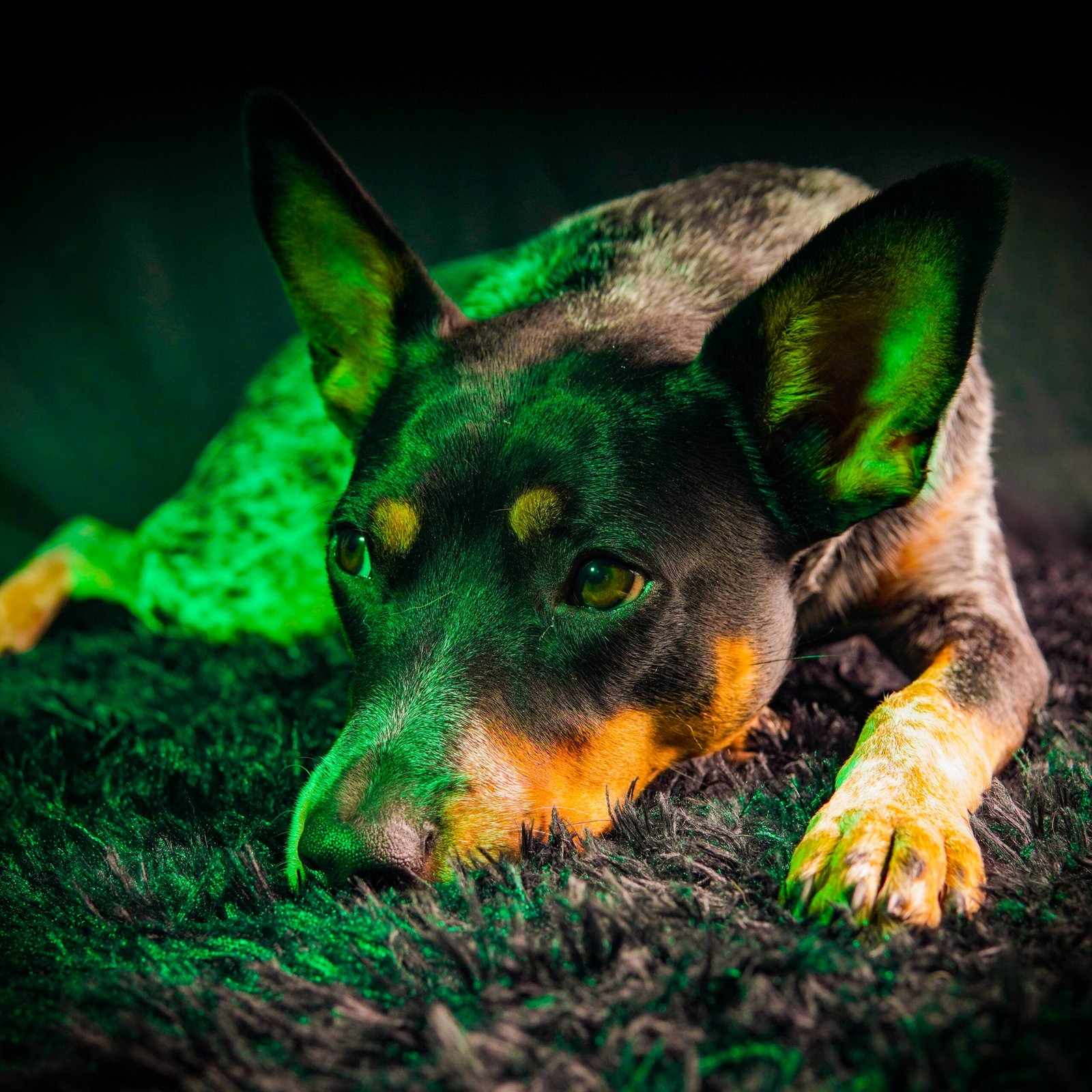
She had every reason not to trust humans. When I met her, something clicked. No force. No pressure. Just presence and clarity. She does not care about treats. She cares about connection and approval. If Jax would sell me out for food, Artemis would skip food to stay close. They could not be more different.
Dogs teach dogs
Once Jax and Artemis became part of my home, they began influencing other dogs. Dogs learn from dogs faster than from humans. Nervous dogs relaxed. Reactive dogs softened. Overstimulated dogs slowed down. Calm became contagious.
That shaped how I train. Less focus on commands. More focus on systems, energy, and social learning.
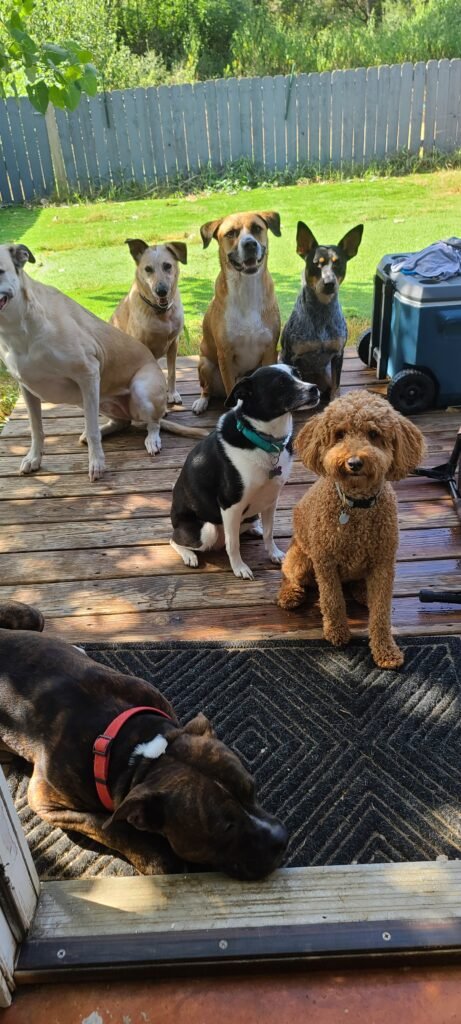
Six years. Many dogs. Great results.
For six years I ran a dog-training business that held 5-star ratings on both Google and Yelp while running board-and-train programs out of my home.
Chris is a marvel! He has helped us be able to bring into our home of 3 other dogs and 2 cats, a stray Great Pyrenees. Lou has become a wonderful member of our family. Chris’s kind, thoughtful, focused training gave Lou the structure he needed to grow into the peaceful, confident, loving dog that he is. Everyone who knows Lou is amazed. We are so grateful. And we recommend Chris with enthusiasm!
 Kris B.
Chris has done an amazing job helping to train our dogs and give us, the owners, skills necessary to keep the good doggie behaviors. We have tried several other training services and have not had near the success or longevity that we have gotten with Chris’s approach. After the more intense training sessions, Chris followed up with several weekend sessions to make sure we continue to see improvements. I would recommend him to anyone. Our dogs love Chris!
 Scott R.
Reviews available on Google and Yelp.
Why I built the Whimsy Stick
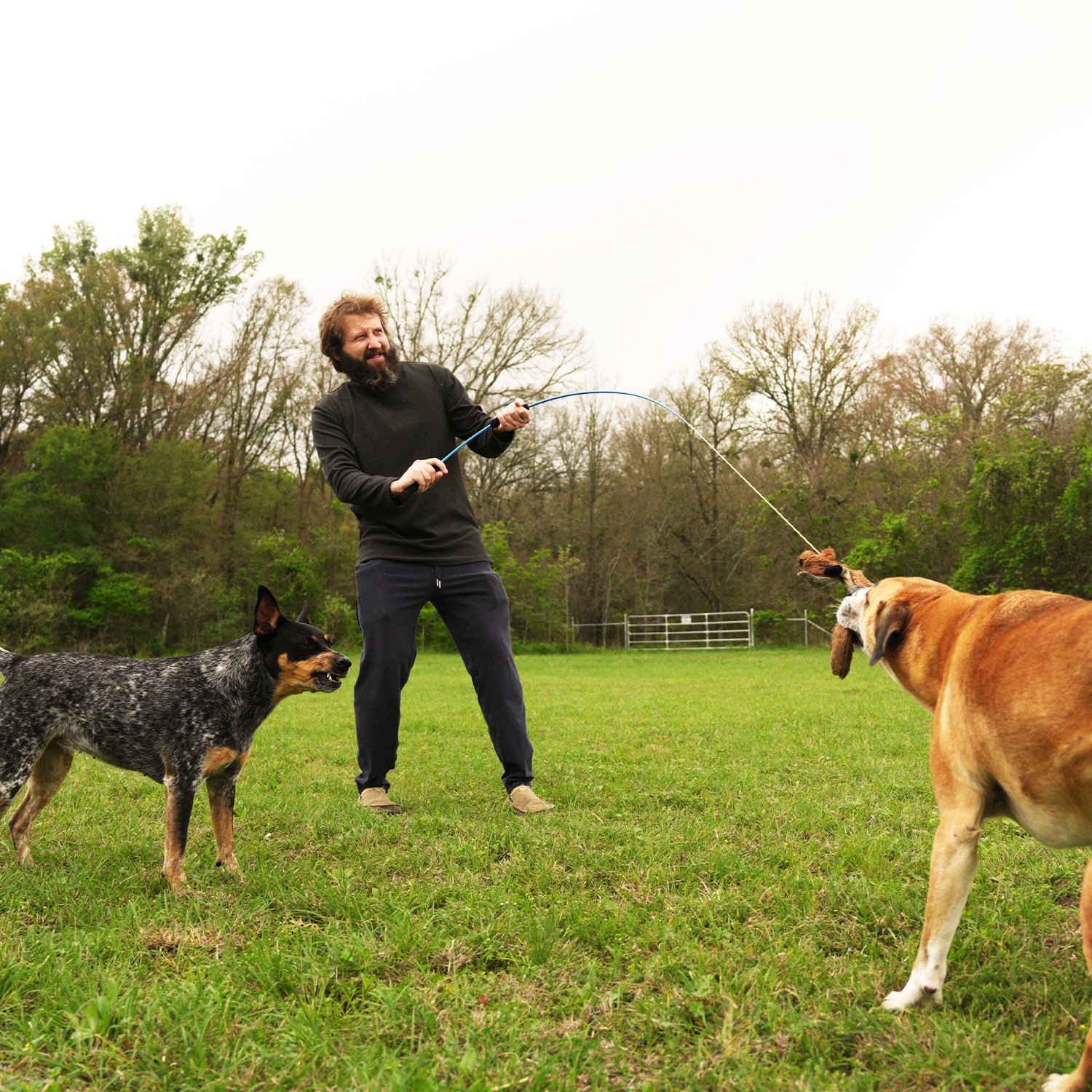
If there is one thing I learned above all else, it is this. Dogs love to chase. Not walk politely. Chase.
Most toys either encouraged chaos, fixation, or were unsafe. I needed a tool that allowed timing, movement, control, and communication. Something adaptable to different dogs and even other animals.
At one property I lived at, four stray cats befriended my dogs and started chasing alongside them. That was the moment it clicked. This kind of play taps into something universal. That realization led to the Whimsy Stick.
Play as a training tool
What surprised me most is how quickly it became a core training tool. It taught impulse control. Dogs chased only when told. They learned to stop, drop, reset, and reengage intentionally.
It became one of my primary tools alongside leash work and structured communication. Not a replacement for training. A reinforcement through instinct. Most dogs never forget it once they experience a clean chase and shared rhythm.
What I do today
Today my work sits at the intersection of instinct, structure, and relationship. I am not interested in pretending dogs are robots. I am also not interested in excuses.
I work best with owners who want responsibility and clarity. People who understand that calm is earned, not demanded. Dogs do not need perfect people. They need consistent people.
Calm is not forced. It is earned.
Everything I do comes back to one thing: a lasting partnership between dogs and owners. Not obedience for appearances. Not suppression. Not management forever. Alignment.
Read this first
I do not work from scripts or ideology. I do not label dogs as broken or fix them with treats alone. My work is rooted in instinct, genetics, energy, structure, and responsibility.
Some dogs change quickly when communication is precise. Others require time, cycles, and consistency. Both are real. I do not sugarcoat behavior. Dogs are not blank slates. Pretending otherwise puts dogs and people at risk.
If you are looking for guarantees, shortcuts, or someone to tell you what you want to hear, I am not the right trainer. If you want clarity, honesty, and a deeper understanding of your dog, keep reading.
Two honest questions
This work isn’t for everyone. That’s intentional.
If you want clarity, honesty, and a deeper understanding of your dog, the field guides are the place to start.