Controlled Freedom
Structure First. Calm Follows. Freedom Is Earned.
Controlled Freedom is not a training routine. It’s a way of living with your dog. Structure comes first. Instinct is fulfilled with purpose. Freedom is earned, not handed out. Applied consistently, dogs stop guessing, stop testing, and stop self-managing. They know where they stand, what’s expected, and how to succeed.
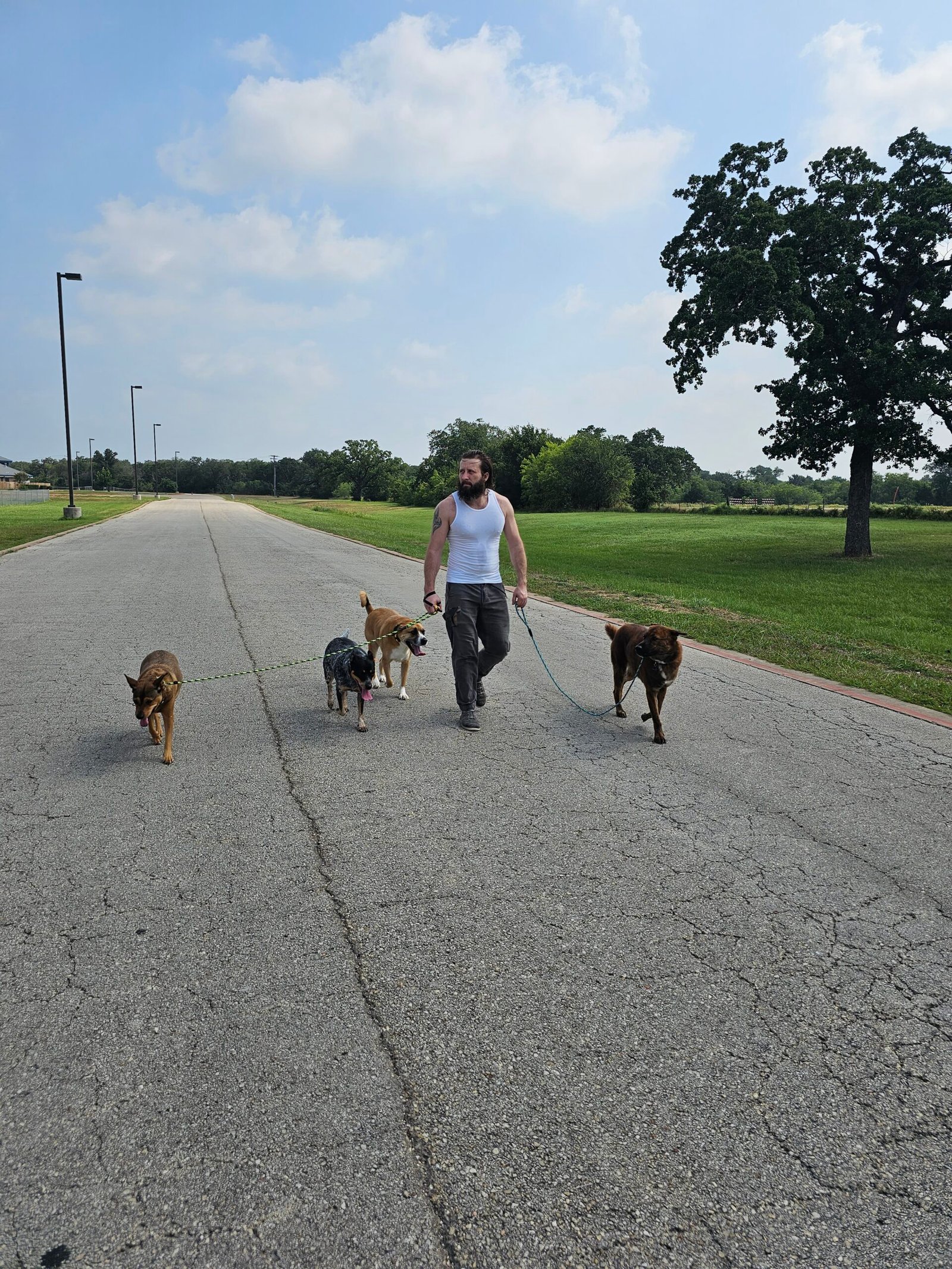
Control is not cruelty. It’s relief.
Dogs don’t relax when rules disappear. They relax when leadership becomes predictable.
Clear boundaries remove uncertainty. Consistency removes anxiety. Structure creates safety. This methodology rejects both extremes:
- Permissive, positive-only chaos
- Dominance-driven intimidation
Neither produces stable dogs. What works is fair, calm, consistent leadership that removes decision-making pressure from the dog.
It is far more inhumane to send a dog into a human world with no boundaries and no skills than to give them clear rules and fair consequences.
Control is not about overpowering a dog. It’s about removing confusion.
The two pillars of Controlled Freedom
Every behavior problem traces back to one or both of these pillars being broken. Dogs don’t need more commands. They need fulfilled instinct and clear relationships. This methodology fixes foundations first: before obedience, before tools, before “training.”
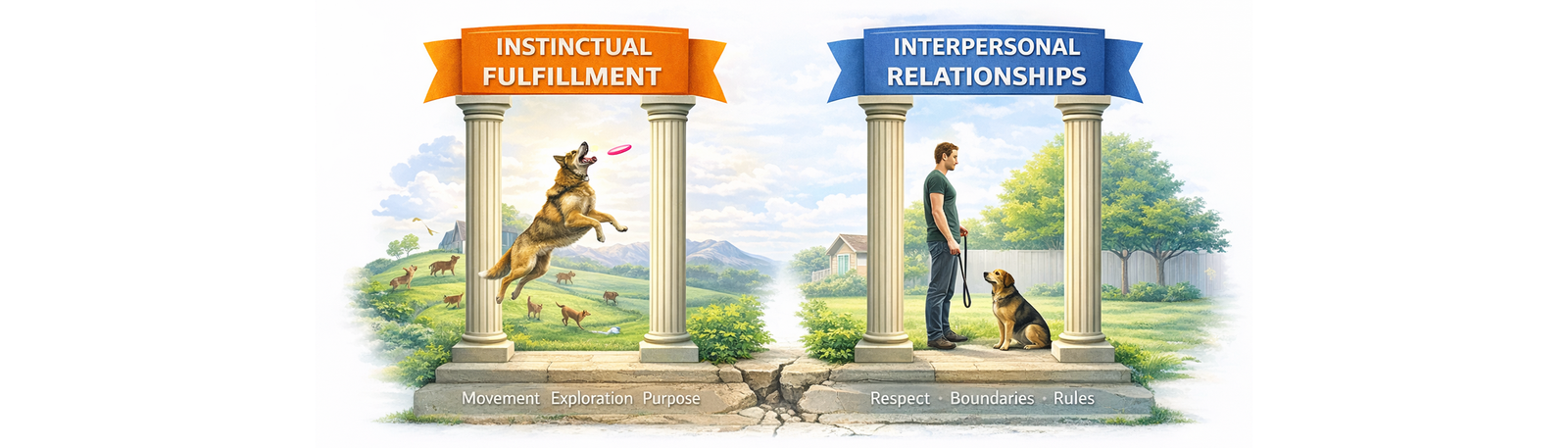
Instinctual fulfillment
A dog without purpose creates their own. Dogs are working animals, not decorative companions. When instinct has no outlet, it turns into anxiety, reactivity, and destruction. Every dog needs:
- Movement
- Purpose
- Engagement
- A role inside the group
Chase, pursuit, exploration, and problem-solving are biological requirements, not extras. When instinct is satisfied, behavior stabilizes.
Interpersonal relationships
Calm lives inside structure. Calm coexistence is not accidental. It is built through leadership and consistency. Dogs don’t need constant correction. They need to understand:
- What’s allowed
- What’s not
- Where they stand
When expectations are stable, conflict disappears.
It’s rarely the dog
Most training doesn’t fail because dogs are difficult. It fails because the human side of the equation is ignored. Dogs respond to leadership, energy, and clarity long before they respond to techniques.
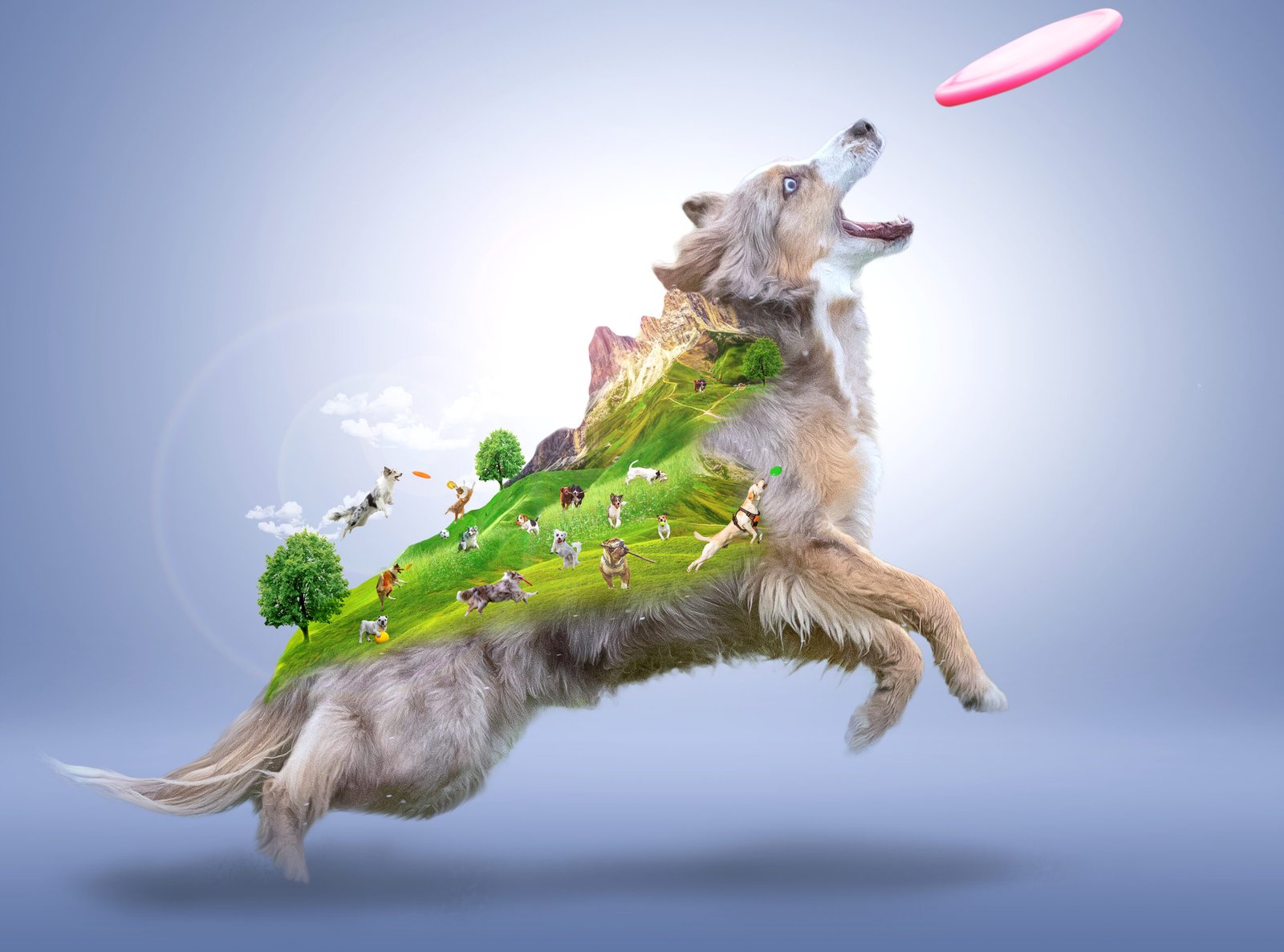
And just as often, dogs are misunderstood. They are not teddy bears. They are instinct-driven, pack-oriented animals built on hierarchy, movement, physical engagement, and purposeful behavior. When instinct has no outlet, behavior fills the gap.
Where it actually breaks down
The human breakdown
Most owners don’t fail out of bad intentions. They lack the energy for calm leadership, the time or willingness to change their own habits, hire trainers whose values don’t align, or expect tools to compensate for inconsistency.
The dog is misunderstood
Treated as a purely emotional companion instead of an instinctual animal, confusion follows. When instinct has no outlet, behavior fills the gap. Different breeds express it differently, but the species runs on instinct.
Where behavior breaks
When owners bring anxiety, insecurity, or inconsistency into the relationship, dogs absorb it. Behavior doesn’t break because dogs are dominant or disobedient. It breaks because leadership becomes unclear.
Stillness is a skill
Impulse control is not suppression. It is the ability to remain neutral in a stimulating world. Place-cot work is not about obedience. It is about regulation. It teaches dogs:
- How to detach from environmental chaos
- How to observe without reacting
- How to exist calmly without constant engagement
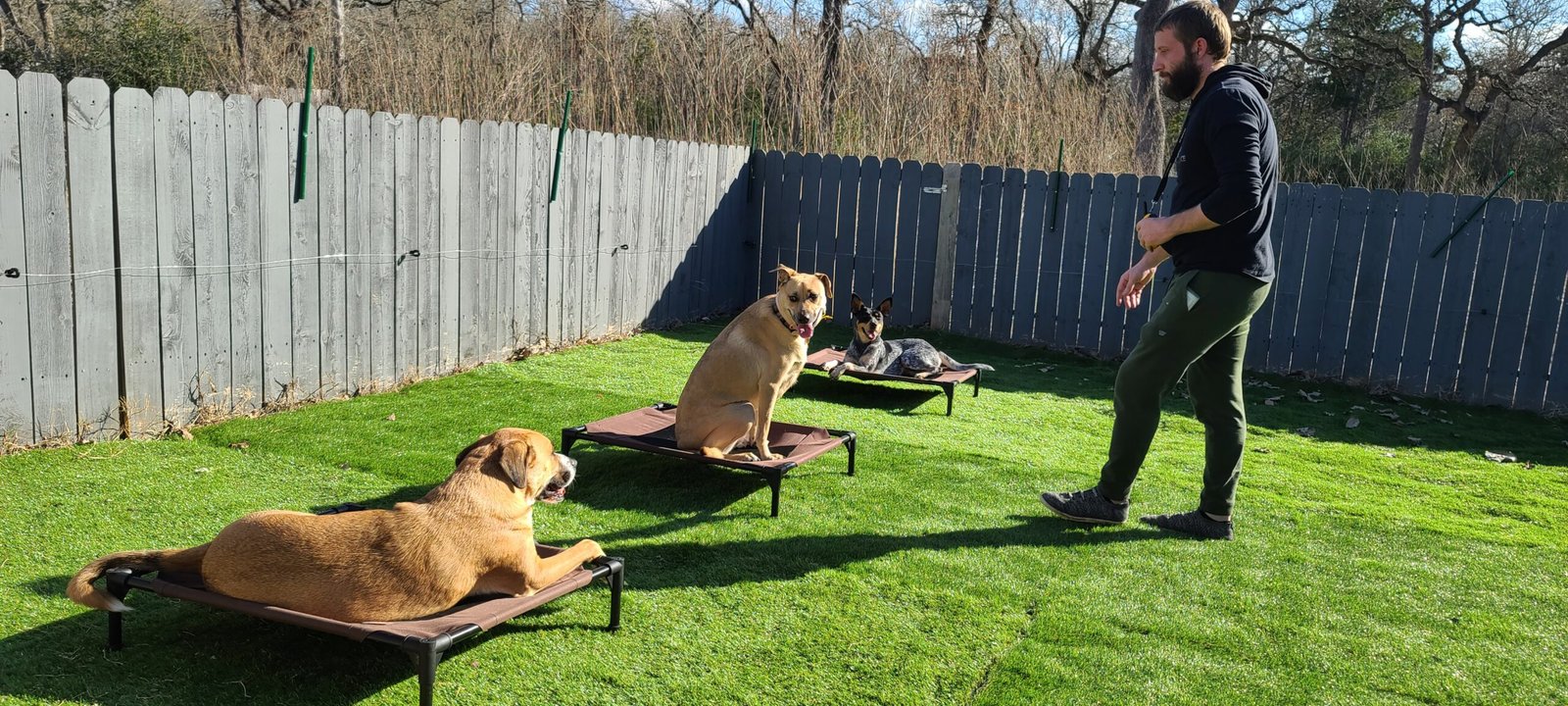
A dog that can be still can think. A dog that can think can choose correctly.
How Controlled Freedom actually looks
Structure first. Freedom follows. In practice that means:
- Fulfillment before obedience
- Clarity before correction
- Consistency before emotion
- Freedom only after responsibility
Tools like leashes, crates, prongs, and e-collars are not punishment when used correctly. They are clear communication in a confusing human world. When structure is stable and instinct is met, behavior organizes itself. The result is not obedience. It’s calm, confidence, and earned freedom.
What this creates long-term
A calm dog. A clear relationship. A stable life. This is not control for control’s sake. It’s creating an environment where dogs can finally relax. When leadership is clear, freedom becomes safe.
Instinctually fulfilled
A dog whose needs are met does not seek chaos, conflict, or release through behavior.
- Calm, settled energy
- Reduced frustration and reactivity
- Natural ability to rest after activity
- Engagement without obsession
- Satisfied, not restless
Clear relationship & boundaries
A dog who understands structure lives calmly, respectfully, and comfortably as a follower.
- Respects personal space
- Comfortable following guidance
- Calm around people and dogs
- Predictable, neutral behavior
- Trusts clear leadership
My goal is not to keep you dependent on me
My goal is to give you the most clarity, structure, and practical understanding possible while being involved in your life and your wallet as little as necessary. Good training should not require endless sessions, long-term contracts, or constant hand-holding. If I can teach you something once, clearly, in a way that sticks, that’s the win.
- The methodology is free, so you can decide if our values align.
- The lessons go deeper, so you can apply the work yourself.
- Sessions are there only when physical presence is actually required.
If you never book a session with me but your dog improves, that’s success. If you do, it should be because you already understand the framework and want refinement, not because you’re confused or stuck. This isn’t about extracting money. It’s about reducing confusion as efficiently as possible.
Structure first. Calm follows.
If the framework makes sense, the field guides put it to work, one problem at a time.